The Tree Problem Nobody Warns You About
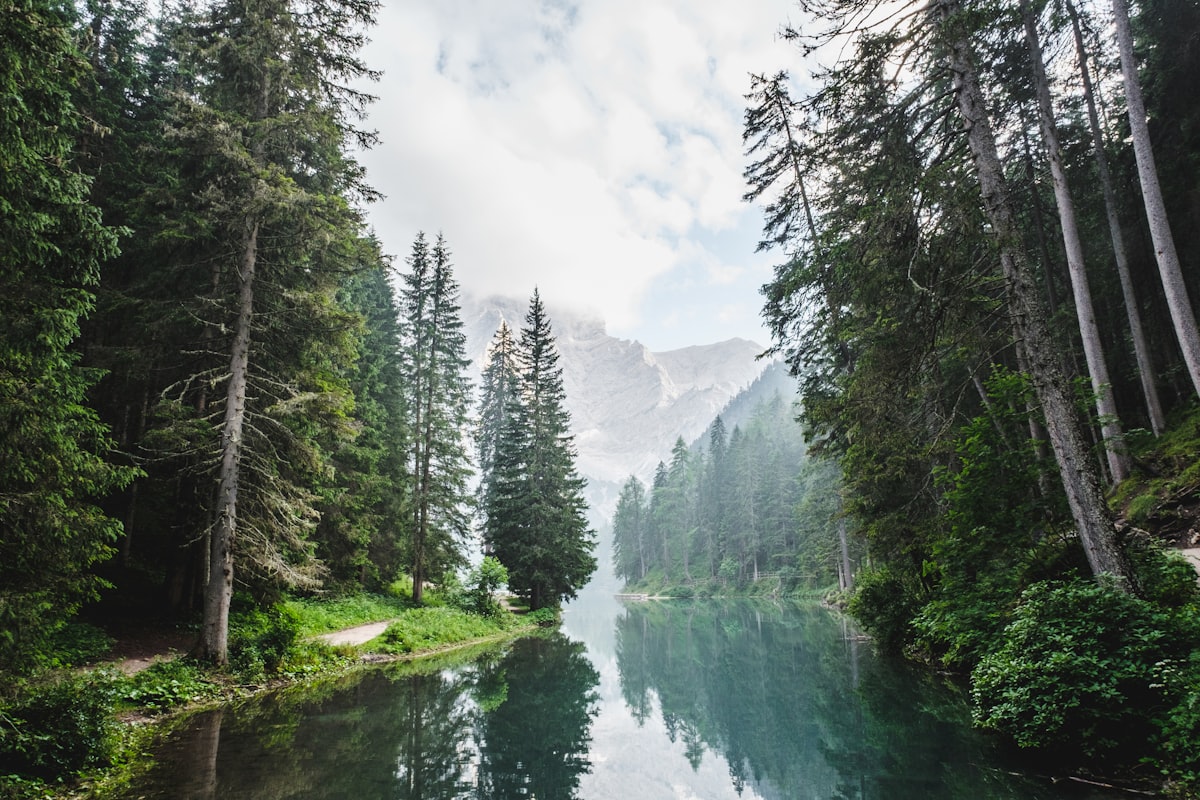
Oregon is gorgeous. It's also one of the hardest states to install Starlink in, and most of that comes down to trees. We're not talking about a few oaks in the backyard. We're talking about 150-foot Douglas firs, western red cedars, and Sitka spruce that form a nearly continuous canopy across the western half of the state. The Starlink app's obstruction checker will light up red on most ground-level placements in the Coast Range and Cascade foothills.
We've installed dishes on properties near Tillamook where the property owner tried three different ground positions before calling us. Every spot showed 8-15% obstruction. The solution was a 30-foot pole mount that cleared the surrounding canopy. That's not unusual here. In western Oregon, height is everything.
Rain Doesn't Kill Your Signal (But It Affects It)
One of the most common questions we get from Oregon customers: "Will Starlink work in the rain?" The short answer is yes. The longer answer is that heavy rain can cause brief speed reductions, typically dropping performance by 10-20% during the heaviest downpours. In our experience across dozens of Oregon installations, rain-related outages are rare and short-lived, usually measured in seconds rather than minutes.
What matters more than rain is snow accumulation on the dish. The Starlink dish has a built-in heater that melts snow, but in heavy Cascade snowfall, the heater sometimes can't keep up with accumulation rates. We recommend a steeper mounting angle where possible in high-snow areas like Government Camp, Mount Hood, and the passes. The steeper angle helps snow slide off before it builds up.
Coastal Oregon: Wind Is the Real Challenge
The Oregon coast from Astoria down to Brookings presents a different set of problems. The tree canopy is still an issue, but wind becomes the primary concern. Winter storms regularly bring sustained winds of 50-70 mph to the coast, with gusts exceeding 90 mph. A Starlink dish mounted on a standard tripod or lightweight pole mount won't survive that.
For coastal installations, we use:
We did an installation in Yachats where the previous dish had blown off the roof mount during a November storm. The customer had tried to reinstall it themselves with longer lag bolts. When we arrived, we could see the roof decking was already damaged from the original failure. We relocated to a ground-based pole mount on the leeward side of the house with concrete footings. It's been through two full storm seasons without issue.
Eastern Oregon: The Easy Side (Mostly)
East of the Cascades, installations get dramatically simpler. The high desert around Bend, Redmond, Burns, and John Day offers wide-open sky with minimal obstructions. Juniper trees rarely exceed 30 feet, and many properties have clear sightlines in every direction.
The challenges here are different: extreme temperature swings (below zero in winter, over 100 in summer) and long cable runs on large ranch properties. We've run cable over 200 feet on some eastern Oregon ranches, which requires planning for voltage drop and signal quality. The standard Starlink cable maxes out at about 150 feet, so longer runs need the right equipment and routing.
What Plan Makes Sense for Oregon?
Most of our Oregon customers go with one of two options:
The $120/month MAX plan (up to 400 Mbps) exists but is overkill for most situations. We see it mostly on commercial properties, vacation rentals serving multiple guests, and agricultural operations running precision equipment.
Equipment costs $349 regardless of plan. If you're in a heavily forested area and need a professional pole mount to clear the canopy, factor in installation costs on top of that.
The Oregon-Specific Tip Most Installers Miss
Moss. Oregon's wet climate means moss grows on everything, including satellite dishes. Over time, moss buildup on or around the dish can affect the heater's ability to melt snow and can even partially obstruct the signal. We recommend checking your dish once a year, ideally in late spring after the wet season, and gently clearing any moss growth. A soft brush and water is all you need. No chemicals, no pressure washers.
Getting Connected in Oregon
We've installed Starlink across Oregon from the coast to the high desert, and the biggest lesson is that every property here is different. What works in Bend won't work in Astoria. If you're in a forested area and the app is showing obstructions, don't give up -- a proper elevated mount usually solves the problem. Book an installation and we'll figure out the right approach for your specific property.
Disclaimer: Starnet Pros is an independent, third-party contractor specializing in commercial mounting, cabling, and custom hardware installation services. We are not affiliated with, authorized by, sponsored by, or an official partner of Starlink or SpaceX. All product names, trademarks, and registered trademarks (including “Starlink”) are the property of their respective owners and are used here solely for descriptive purposes to identify the equipment being installed.